
How inspecting, testing, and documenting building scope before modules leave the factory can reduce corrective work at remote industrial sites.

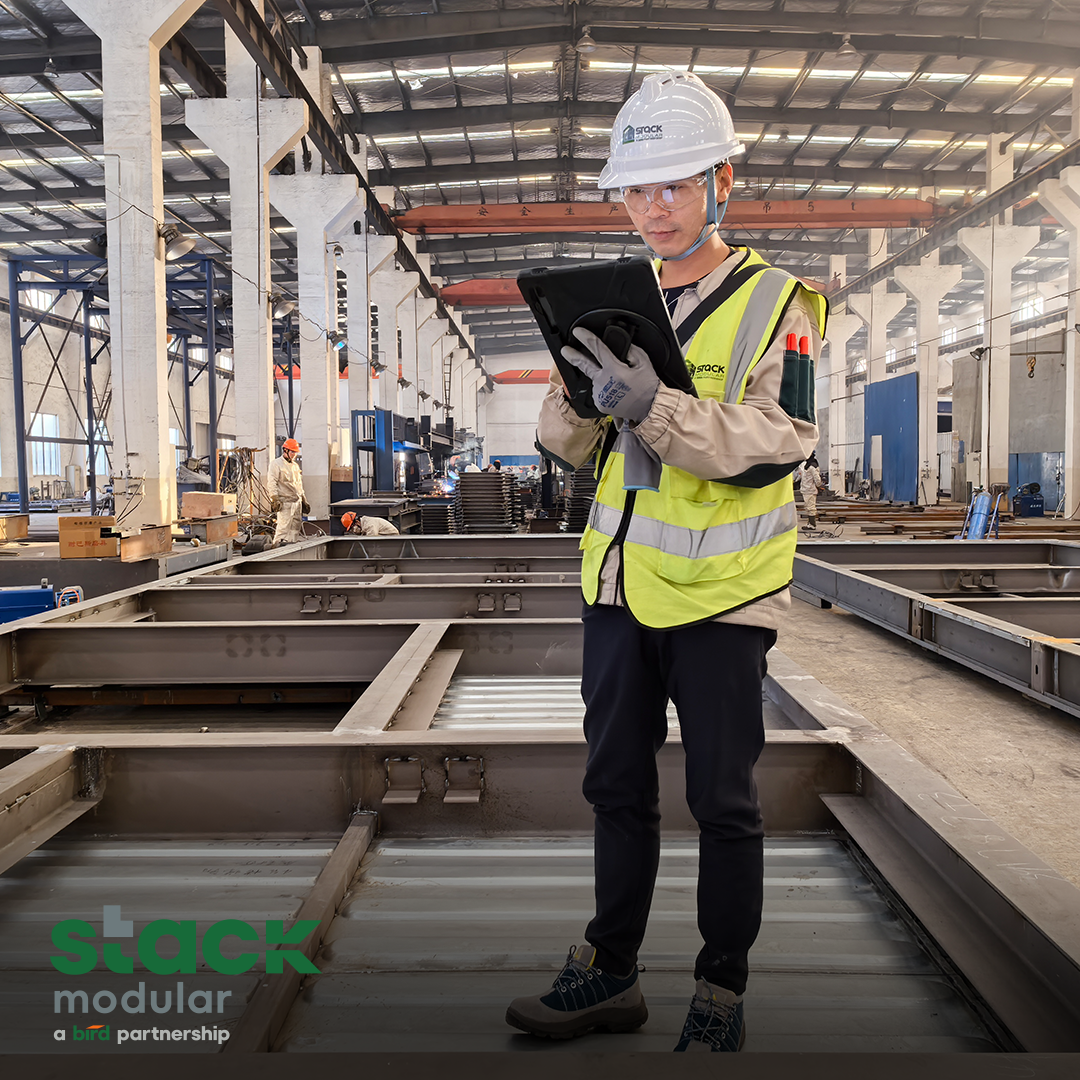
How inspecting, testing, and documenting building scope before modules leave the factory can reduce corrective work at remote industrial sites.
Takeaways
- Field rework becomes more difficult when labour, access, and schedule recovery options are limited.
- Factory QA/QC helps identify workmanship, dimensional, and system issues before modules enter the logistics chain.
- Quality control works best when inspection, documentation, and traceability continue seamlessly from manufacturing through delivery and site integration.
A dimensional issue discovered on a factory floor is fundamentally different from the same issue discovered after a module has travelled thousands of kilometres.
In the factory, the people, equipment, materials, and information needed to correct the problem are close at hand. At a remote industrial site, the same correction may require specialist labour, replacement materials, additional equipment, or changes to an installation sequence already underway.
That is why factory QA/QC is about more than the quality of the finished building. For remote mining, LNG, and energy projects, it significantly reduces the number of avoidable problems that reach the field.
The Cost of Rework Changes With Location
Rework is disruptive on any construction project. On a remote site, the impact is multiplied.
A missing component or incorrect dimension may seem minor on its own. But once a module is on site, correcting it competes with other critical activities for labour, crane access, supervision, and project schedule.
The aim of factory QA/QC is not simply to produce an inspection record—it is to find and correct issues earlier, while they are still manageable. Moving verification upstream reduces the amount of corrective work left for a site team that may already be operating with limited resources and tight deadlines.
Inspect Before the Work Becomes Difficult to Access
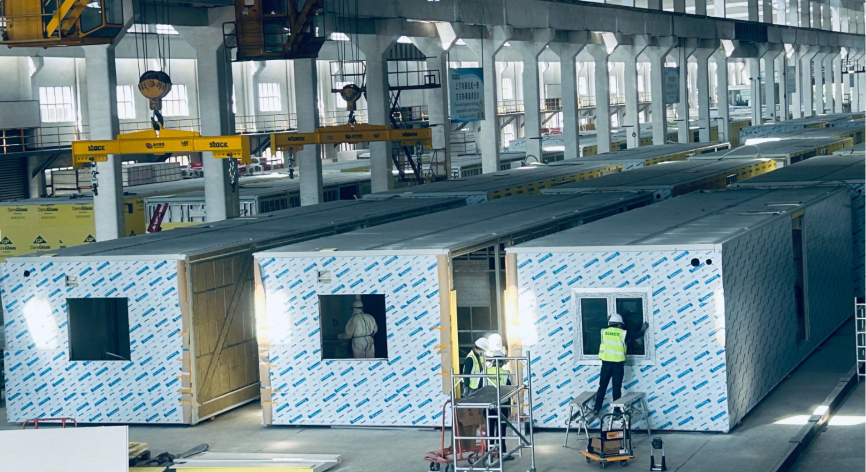
Factory production creates clear opportunities to inspect work as a module moves through manufacturing.
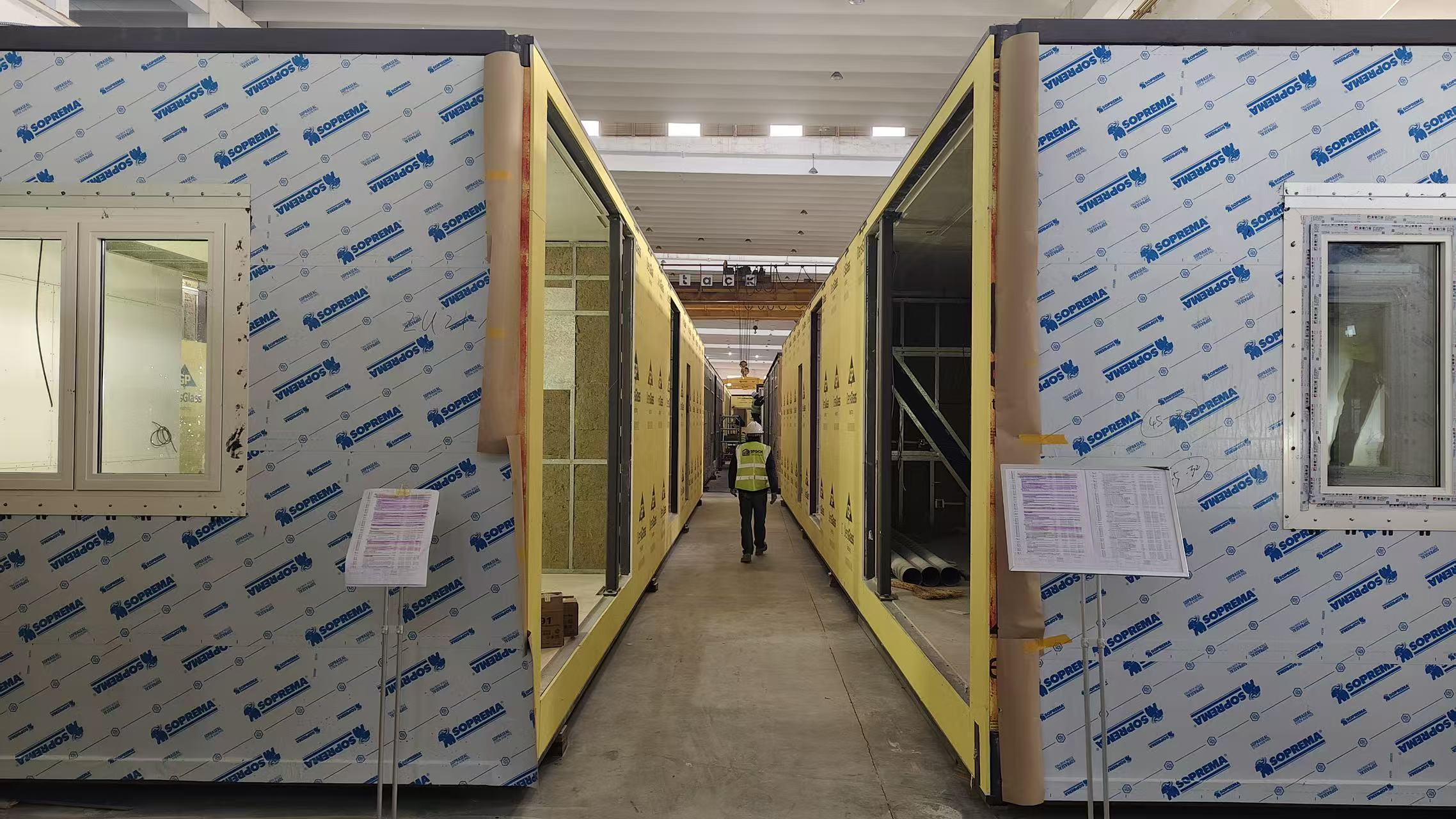
Stack's Quality Management System covers the process from design review and material sourcing through manufacturing, testing, and delivery. Modules undergo multiple stages of inspection to check workmanship, dimensions, and system performance.
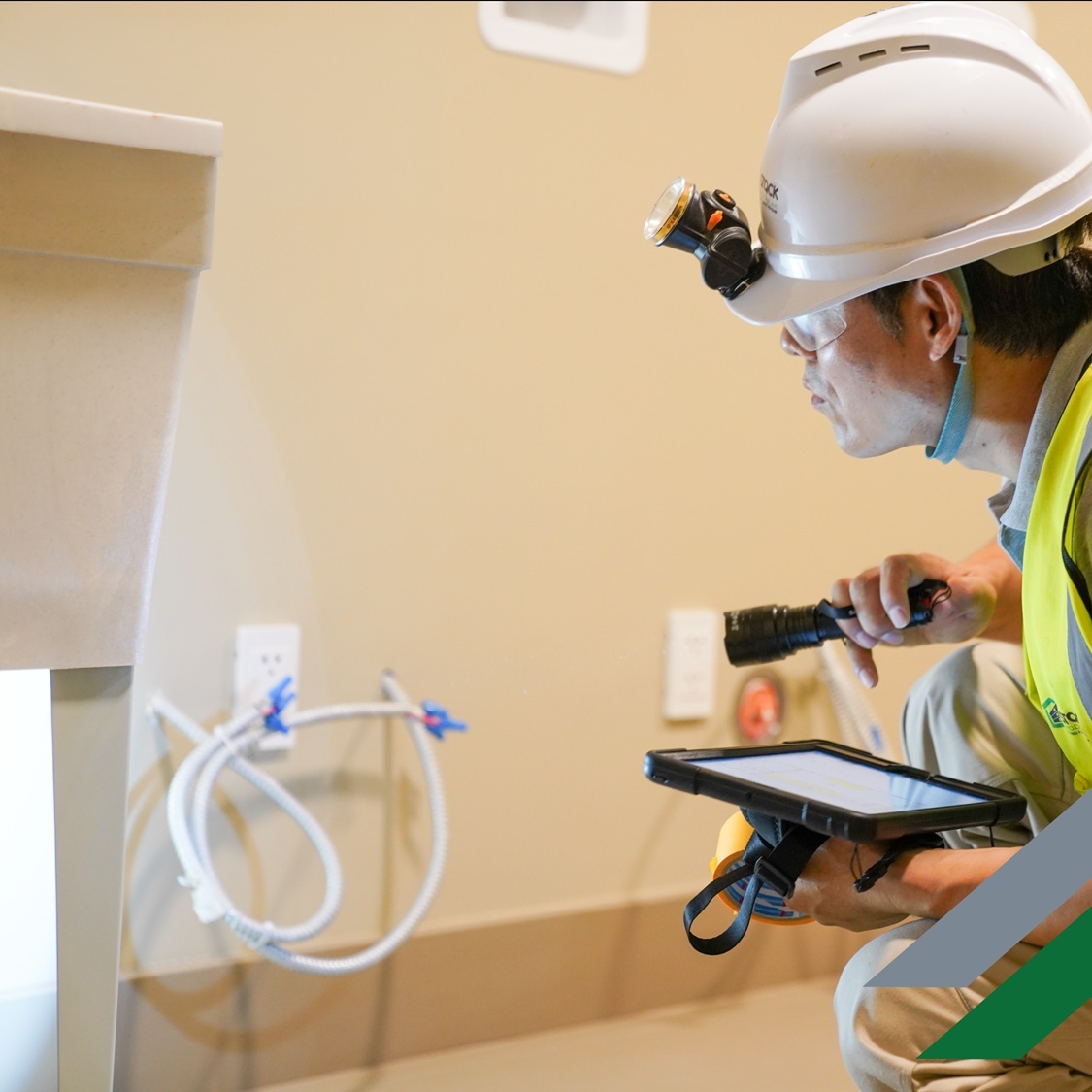
The timing of those checks matters. Some components become much harder to inspect once walls are closed, finishes are installed, or modules are connected into the building. Checking the work as it progresses allows the team to resolve an issue before the next stage of construction hides or compounds it.
Dimensional Control Matters at the Site Interface
A module does not only need to be correct inside—it has to fit accurately with everything around it.
Structural connections, module-to-module alignment, and interfaces with foundations or other site-built elements all depend on precise dimensional coordination. Factory-controlled fabrication allows manufactured components to be checked against defined dimensions before they arrive on site.
While this does not remove the need for accurate site work, it ensures that one side of the interface is verified before installation begins, reducing the number of unknowns the site team has to manage.
Quality Has to Remain Traceable
Inspection loses value if the project cannot establish what was inspected, when it was inspected or which module the record belongs to.
That is where traceability becomes important.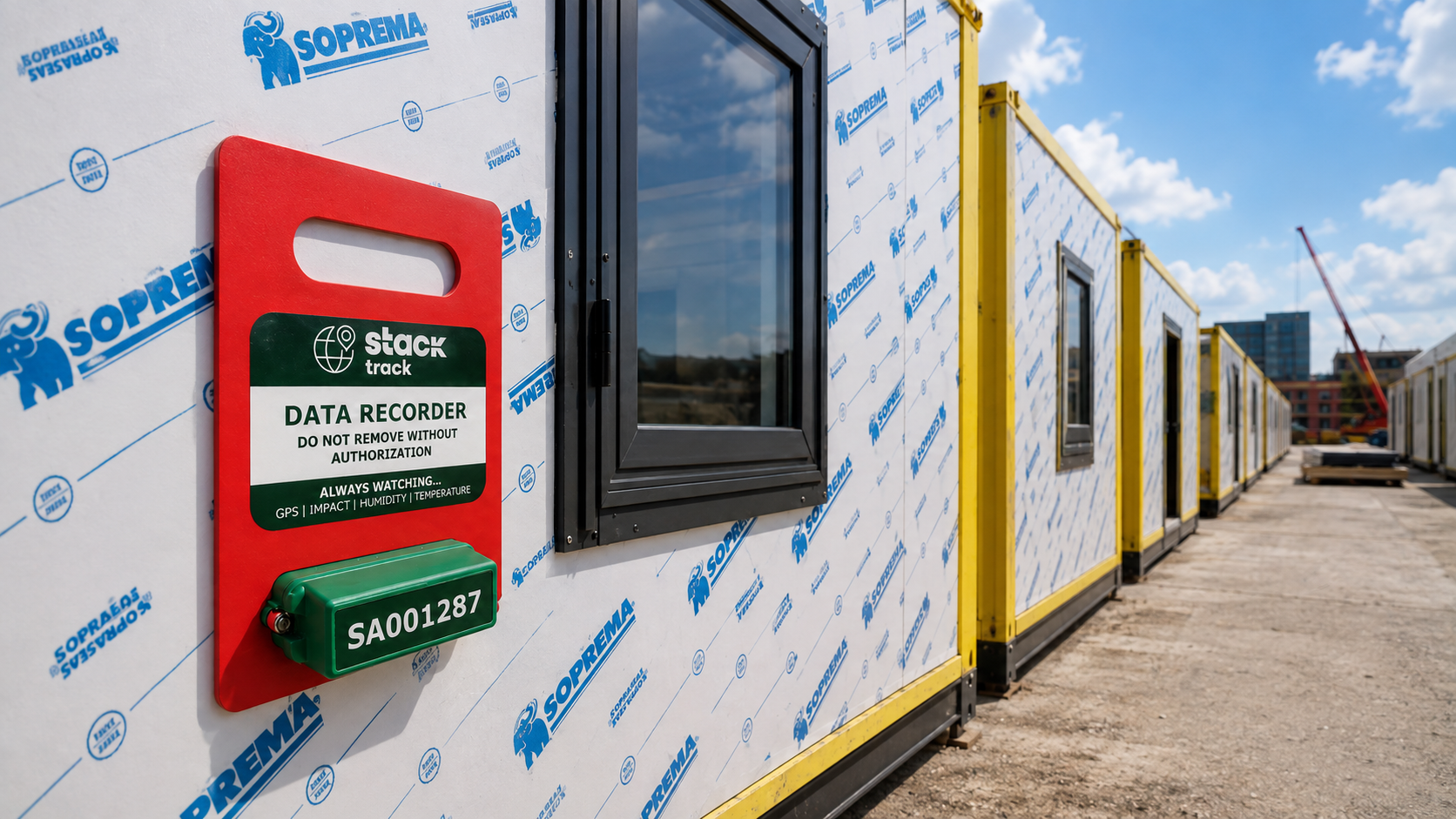
Stack's process digitally tracks and documents individual modules through production, creating a record of quality and compliance. Independent third-party inspections can provide an additional level of verification.
For an EPC or site team, that documentation provides more than reassurance.
It creates a defined record that can travel with the module rather than forcing the field team to reconstruct its manufacturing history after arrival.
QA/QC Does Not Stop at the Factory Door
Factory inspection is only one part of the quality process. Modules still need to be transported, handled, lifted, connected, and completed correctly on site.
Inspection and documentation must continue through delivery and installation. Transport damage, handling issues, or installation tolerances can affect work that left the factory in good condition. Structural connections and lifting systems must also account for how modules will be handled in the field.
The goal is a continuous quality process from manufacturing to final site integration—rather than separate factory and site systems that only meet when a problem appears.
Move Correction to Where It Is Easier to Control
Factory QA/QC cannot eliminate every field issue, and that should not be the expectation. The more useful question is: How much work can be verified before correction becomes expensive, disruptive, or difficult to recover?
For a remote industrial project, that difference is substantial. A strong factory quality process reduces the number of unknowns travelling to the site, provides field teams with actionable documentation, and allows limited site resources to focus on installation rather than fixing work that should have been resolved earlier.
That is how QA/QC supports operational readiness: by stopping avoidable building issues from becoming field problems when the project has the least room to absorb them.