A meaningful comparison between modular and conventional construction must capture the full cost of getting the building completed and ready for use—not simply the price of the off-site components.

A meaningful comparison between modular and conventional construction must capture the full cost of getting the building completed and ready for use—not simply the price of the off-site components.
Takeaways
- Module price and total project cost are not the same thing.
- Site labour, logistics, temporary works, program duration, and financing exposure can materially alter the financial baseline.
- The fairest comparison evaluates equivalent scope and the Total Installed Value (TIV) of each delivery strategy.
A modular proposal can look expensive when compared against the wrong conventional baseline. The underlying issue is rarely the price itself; it is the scope sitting behind that price.
.jpg?width=1813&height=1026&name=MEP%20(mechanical%2c%20electrical%2c%20plumbing).jpg)
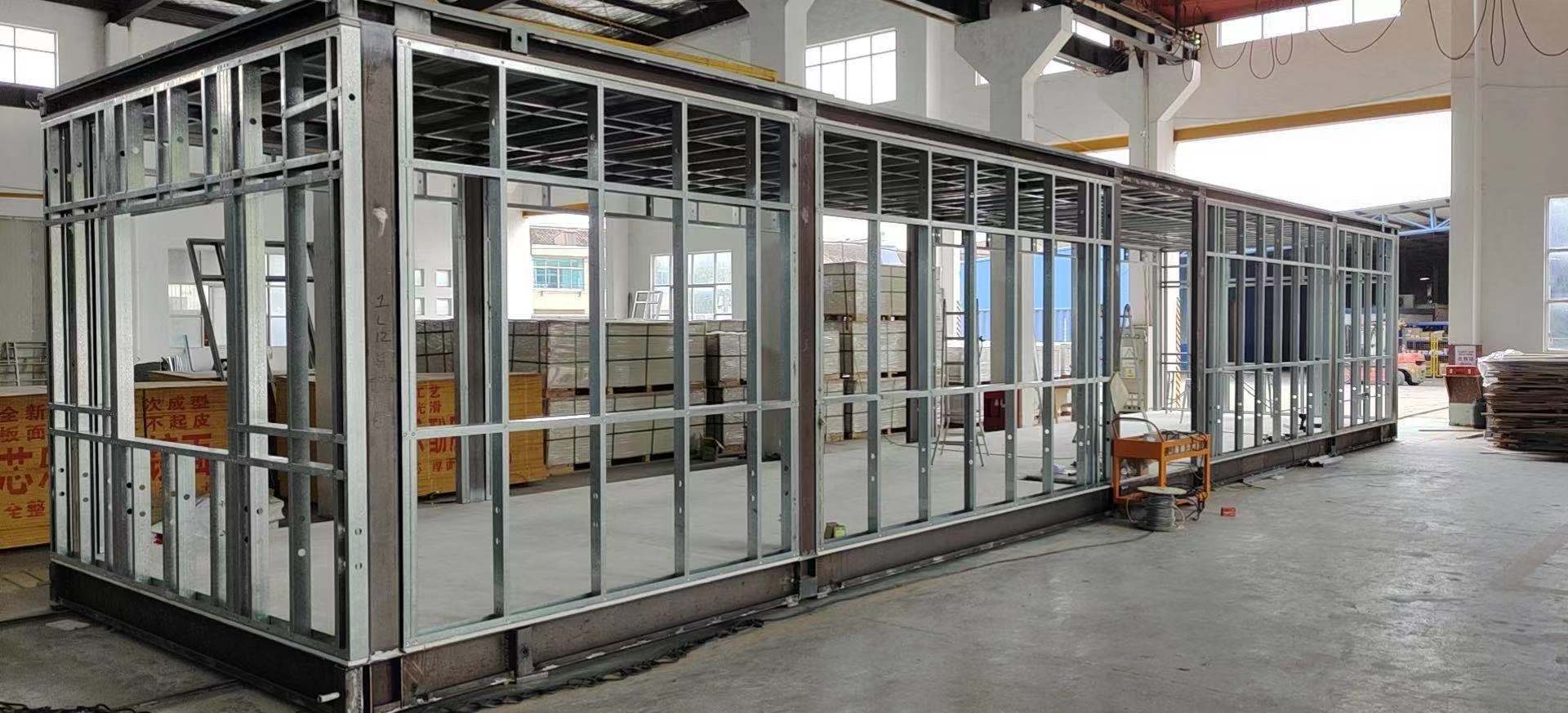
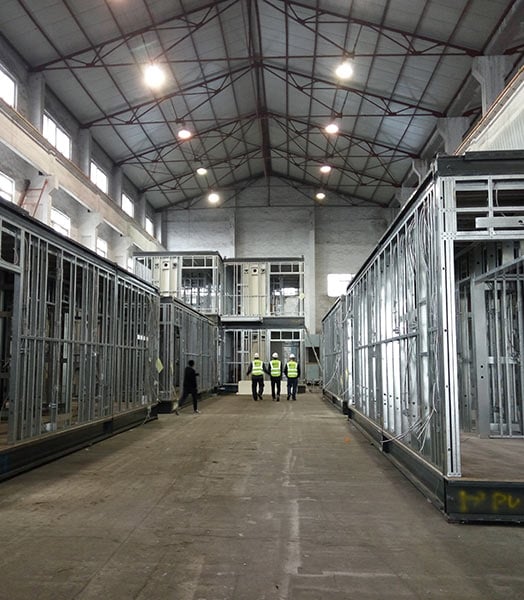
A modular package often integrates structure, interior finishes, MEP (mechanical, electrical, plumbing) services, and trade work that would normally be spread across multiple separate packages in a conventional build. Comparing a fully integrated modular quote solely against a conventional structural frame package distorts the analysis from the outset.
The real question to ask: What will each delivery strategy actually cost to get the exact same building completed and operationally ready?
Start With Equivalent Scope
Before evaluating numbers, align the scope boundaries of both options:
- What is pre-installed inside the factory modules?
- What scope remains with the general contractor on site?
- Who owns structural connections, MEP interfaces, building envelope seals, and final site tie-ins?
- What temporary works are still required on site?
A lower upfront bid often indicates that work has simply been shifted elsewhere in the project budget. As factory completion percentages increase, work isn't eliminated—it changes where, when, and how it is completed.
Add the Cost of Delivering the Work on Site
Direct construction costs only cover part of the picture. Conventional delivery often introduces indirect site-level expenses that accumulate over time:
- Extended site labour, supervision, and worker accommodation
- Craneage, staging, and material handling
- Waste management, site cleanup, and removal
- Repeated freight deliveries and laydown management
For remote or logistically complex projects, these costs compound quickly through customs, port handling, storage, and long-term per diems for specialized trades.
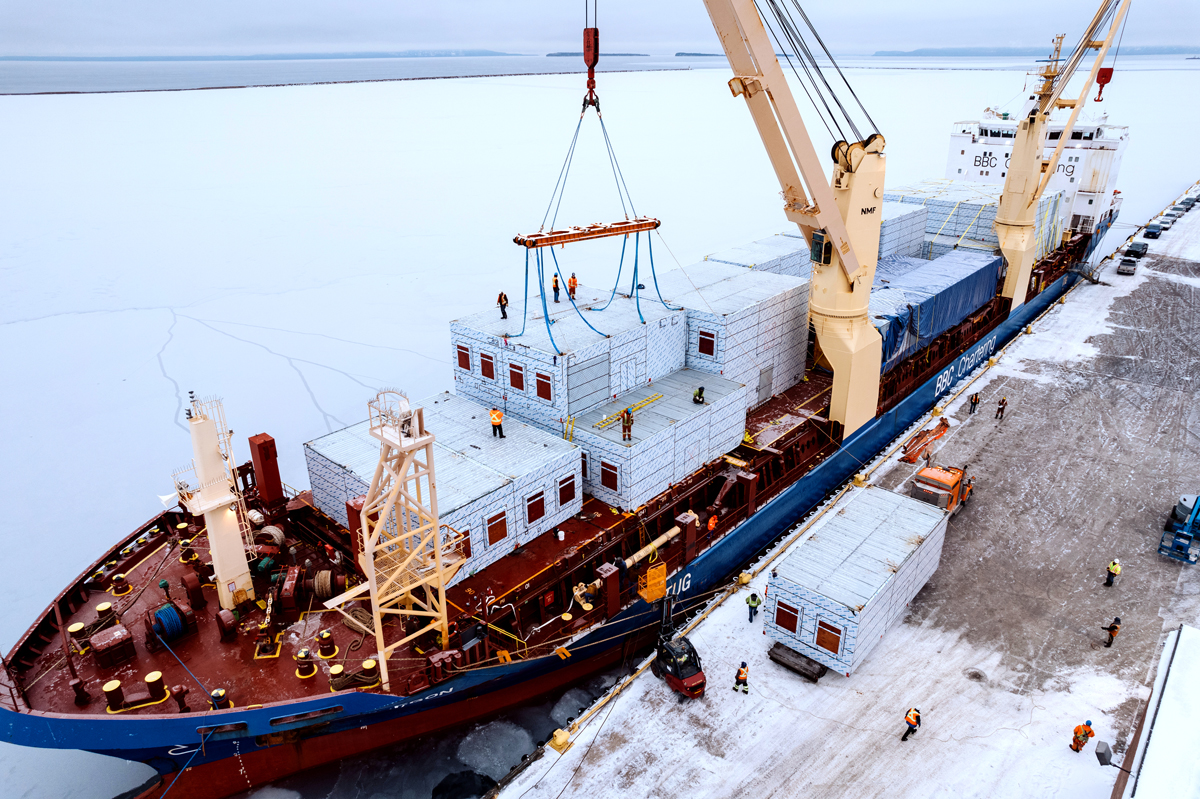
Modular construction has its own distinct logistics and installation profile—including heavy haulage, crane mobilizations, and module stitching. Accurately tallying these unique logistics for both options ensures a fair comparison.
Price the Programme, Not Just the Building
Construction duration also has an economic consequence.
A prolonged construction timeline extends monthly preliminaries, site supervision overheads, and debt interest. For revenue-generating assets (e.g., hotels, build-to-rent, student housing), a longer timeline also defers the date the building begins generating cash flow.
When factory manufacturing and site foundation work happen concurrently, schedule compression directly translates to commercial value.
Look beyond construction pricing: What does each delivery route cost the business across the entire time it takes to deliver?
Account for Project-Specific Conditions
The economic case for modular vs. conventional changes based on location and site context:
| Project Factor | Conventional Impact | Modular Impact |
| Local Trade Availability | High exposure to local labour shortages & wage spikes | Shifts labour hours into a controlled factory setting |
| Weather Risk | Higher risk of delays, rework, and site shutdowns | On-site exposure limited primarily to foundation/assembly phases |
| Logistics & Supply Chain | Multiple deliveries; exposed site laydown area required | Consolidated shipping directly to site for rapid assembly |
Generic per-square-foot benchmarks rarely reflect these project-specific realities. The calculation must account for the local labour market, climate exposure, and fixed operational deadlines.
Compare the Completed Outcome
A useful commercial comparison brings both strategies to the exact same finish line: a fully completed building, open and operational.
Only then can a project team determine whether an apparent difference in upfront pricing is offset, amplified, or overtaken by downstream site, program, and financing costs.