An exploration of why modular construction requires more project capital earlier than conventional construction, what creates that front-loaded payment profile, and why developers and funders must plan for it from the feasibility phase.

An exploration of why modular construction requires more project capital earlier than conventional construction, what creates that front-loaded payment profile, and why developers and funders must plan for it from the feasibility phase.
Takeaways
- Modular does not automatically mean a higher total project cost, but more capital may need to be committed earlier.
- Steel, fit-out materials, detailed design, and factory production often need to be funded before completed modules reach the site.
- This earlier capital commitment is a real modular trade-off that owners and funders need to understand from the outset.
- The funding plan should be tested alongside design and delivery feasibility, not after the modular strategy has already been selected.
One of the biggest differences between modular and conventional construction has nothing to do with how the finished building looks.
It is when the money needs to move.
In conventional construction, capital is generally released as work progresses through the site programme. Structural steel volumetric construction changes that sequence.
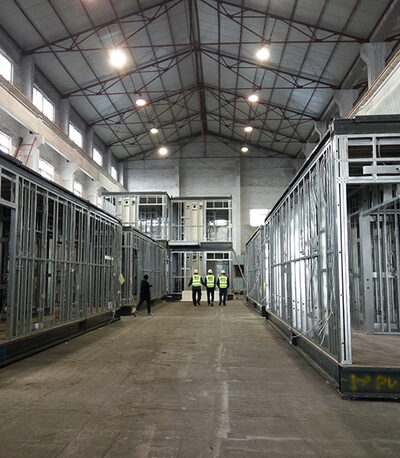
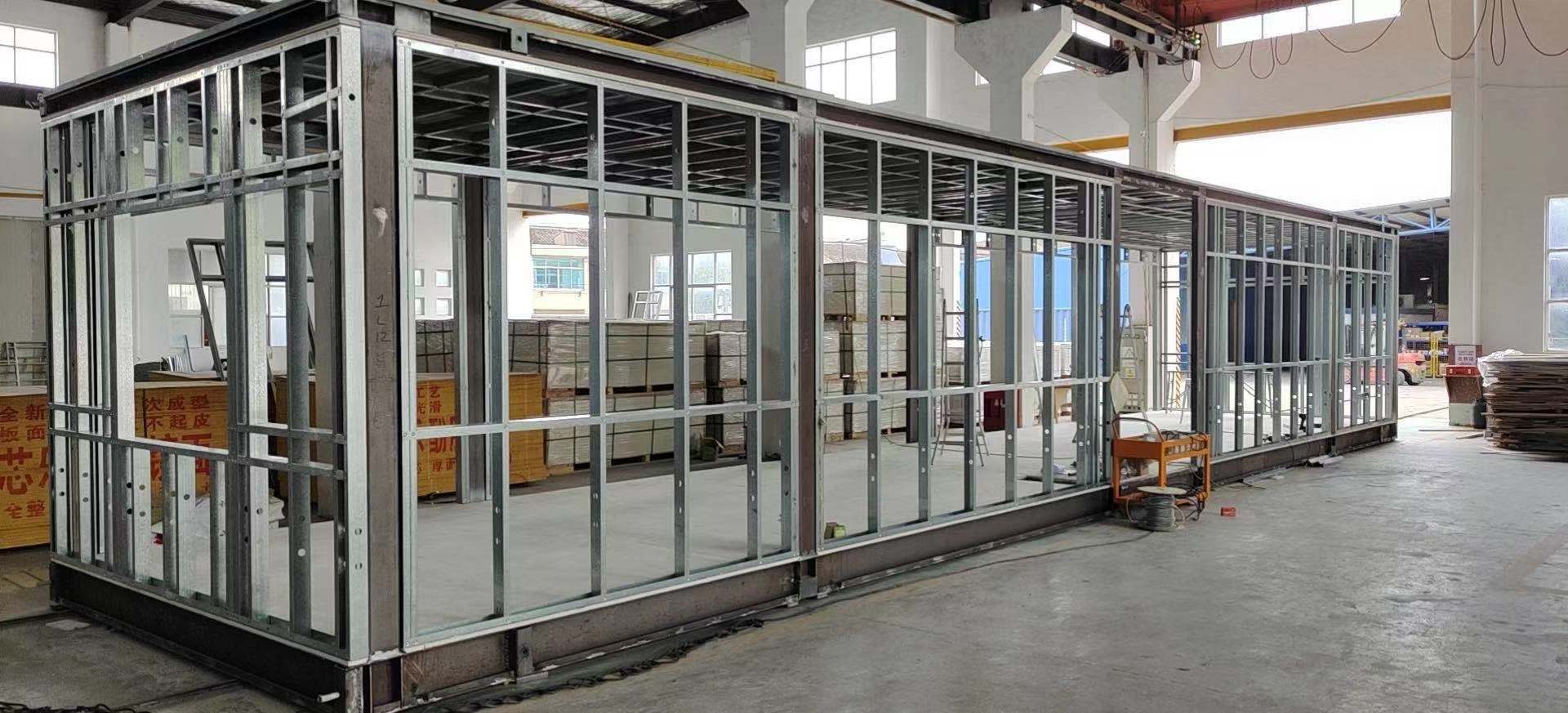
Materials need to be procured earlier. Detailed design needs to advance further before production. Factory manufacturing begins while foundations and other site work may still be underway. Depending on the agreed scope, fit-out may also be progressing inside the modules before they ever reach the site.
That creates an important trade-off: more of the project capital may need to be committed earlier.
For developers considering modular construction, that funding profile needs to be understood before the delivery method is selected.
Upfront Does Not Mean More Expensive
A front-loaded payment profile does not automatically mean a higher total project cost. It means the timing of expenditure is different.
With conventional construction, materials, labour, and trade packages are generally paid for progressively as work moves through the building.
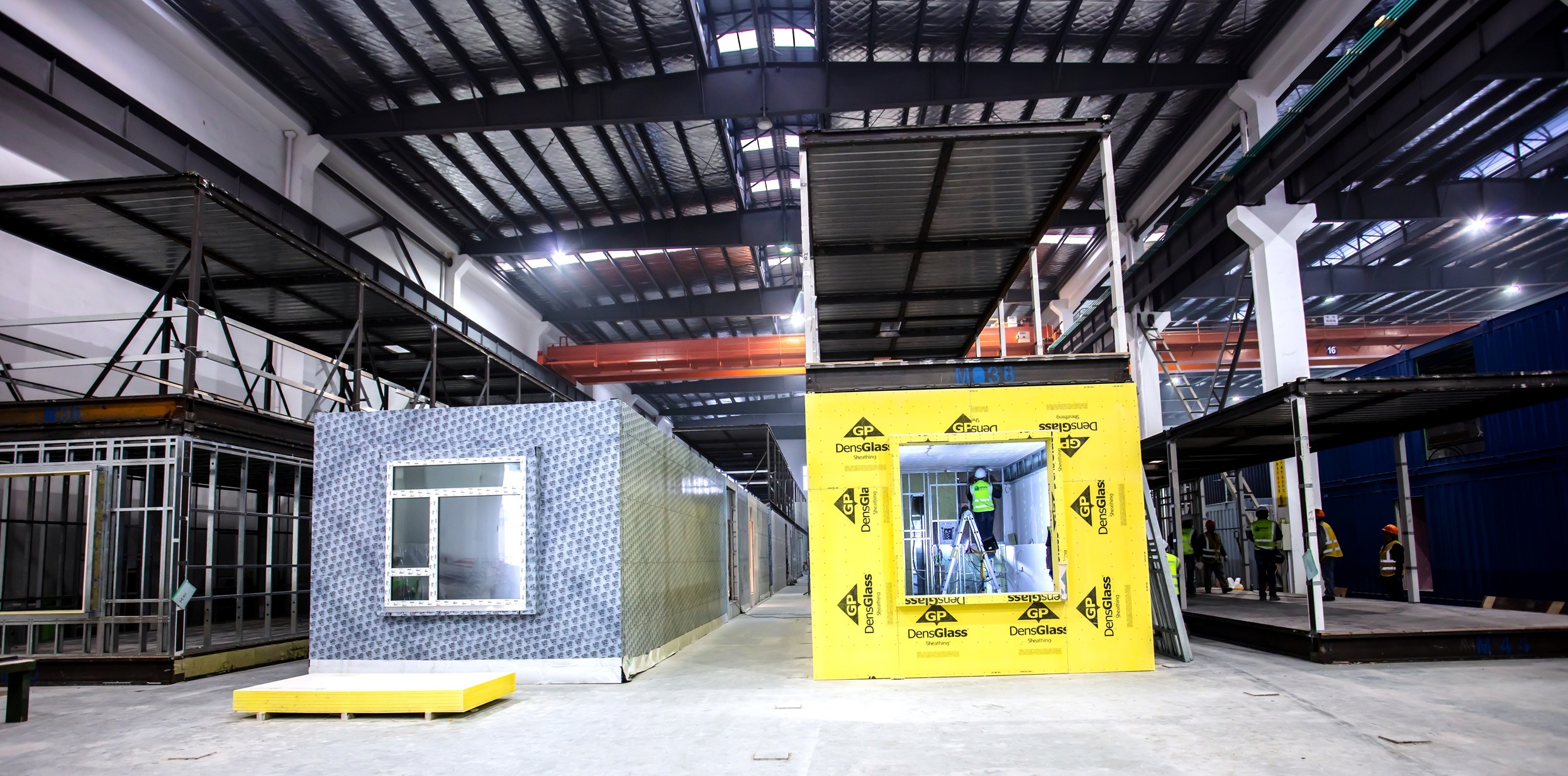
With volumetric construction, a larger package of work can be completed off-site before it reaches the project site. Steel, finishes, and other materials therefore need to be purchased earlier. By the time a module arrives for installation, significant value may already have been built into it.
That distinction matters when comparing construction methods.
A modular payment may appear higher at an earlier stage because it can already include work that would otherwise be spread across several later trade packages and stages of a conventional programme.
The comparison needs to look at equivalent scope, not simply when the invoice arrives.
You Are Funding Production Before Installation
.jpg?width=1813&height=1026&name=MEP%20(mechanical%2c%20electrical%2c%20plumbing).jpg) A module arriving on site is not simply a structural shell. Depending on the agreed factory scope, it may already contain significant structural, MEP, and interior work.
A module arriving on site is not simply a structural shell. Depending on the agreed factory scope, it may already contain significant structural, MEP, and interior work.
That means materials and manufacturing need to be funded earlier. Detailed design also needs to move forward sooner because repetitive factory production cannot proceed efficiently with major information still unresolved.
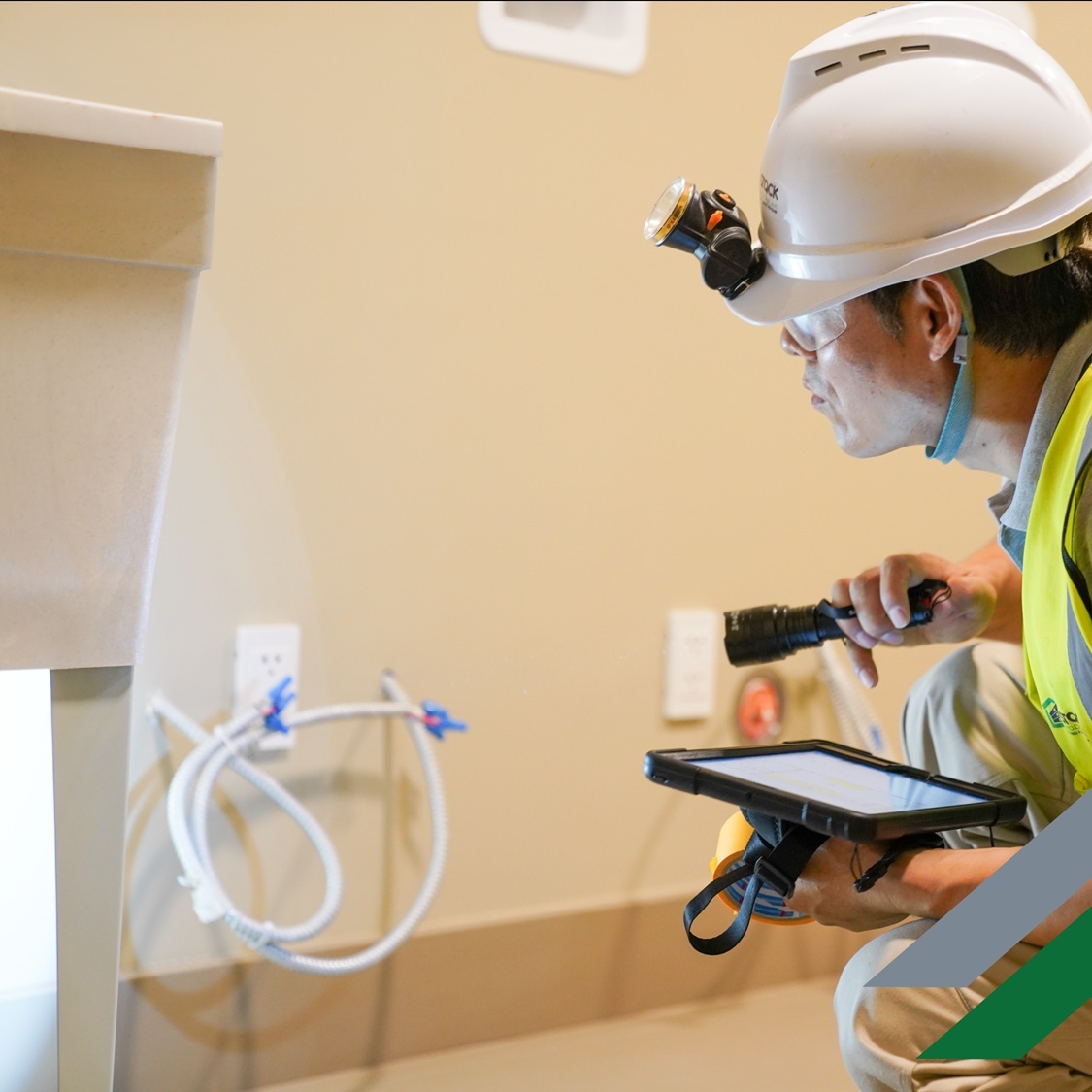
Engineering, quality assurance, and project controls may also sit within the modular package rather than being distributed across different contracts and stages of a conventional build.
The capital requirement therefore follows the work being completed, including work that is happening away from the final site.
The Funding Curve Looks Different
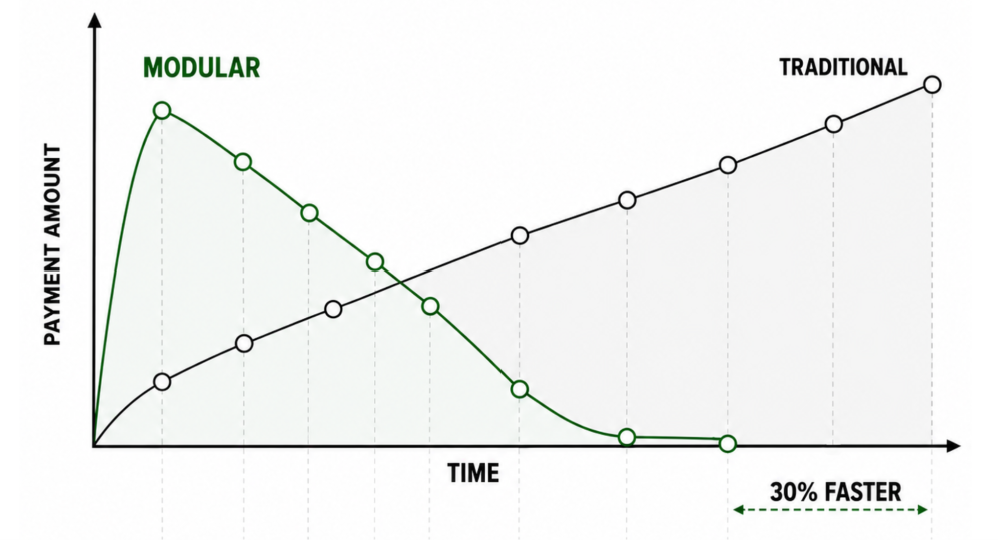 Consider how the two programmes progress:
- Traditional Construction: Foundations, structure, enclosure, services, and fit-out move through the site in a largely sequential order. Capital expenditure follows that physical progress.
- Volumetric Construction: While foundations and site infrastructure are progressing on site, the manufacturer may already be procuring steel, fabricating modules, and completing interior work in the factory.
In other words, factory production and site construction move at the same time.
That parallel activity can help shorten the overall programme—but it also means both workstreams consume capital simultaneously. That financial effect needs just as much attention as the potential schedule benefit.
Funders Need to Be Comfortable With the Earlier Commitment
This is where modular feasibility becomes more than a design or construction discussion. A developer may understand why money needs to move earlier, but the project's funding structure also needs to support it.
Traditional construction drawdowns are often closely linked to visible progress on site. Modular construction creates significant building value somewhere else: in the factory.
If that difference is not discussed early, the funding structure can become a project constraint even when the building itself is well suited to modular delivery.
The answer is not to downplay the front-loaded profile, it is to plan for it.
The owner, funder, cost consultant, contractor, and modular manufacturer should understand when major commitments occur, what those payments cover, and how the factory production programme connects to the site programme. That conversation belongs in feasibility, not after procurement has started.
Earlier Capital Has to Buy Greater Certainty
The case for committing capital earlier cannot simply be: "That is how modular works." The project should receive something meaningful in return.
- Earlier procurement secures key materials and locks in production pricing.
- Earlier design resolution reduces open decisions entering repetitive manufacturing.
- Parallel workflows keep production moving while site prep continues.
- Higher off-site completion ensures more of the building arrives pre-finished.
That is the trade developers and funders need to evaluate: capital moves earlier because more work is also moving earlier into a controlled production environment. Whether that trade makes commercial sense will depend on the project.
Plan the Capital Curve Before Choosing the Delivery Model
Before committing to modular construction, the project team should answer five critical questions:
- How much capital needs to be committed before site installation?
- Which materials and building scope are being purchased earlier?
- What design and production costs move forward in the programme?
- Can the funding structure support simultaneous factory and site activity?
- Are the owner and funder comfortable with that capital profile?
If those questions are left until procurement, a project can discover too late that the building works modularly, but the financing does not. For modular feasibility to be real, the design, delivery programme, and capital plan all need to work together.
The question is not simply whether structural steel volumetric construction can improve the schedule, it is whether the project is financially structured to support the earlier commitments that make that programme possible.