A modular manufacturer’s perspective on how hurricane exposure changes the way remote island resorts need to plan site work, manufacturing, shipping, and installation.

A modular manufacturer’s perspective on how hurricane exposure changes the way remote island resorts need to plan site work, manufacturing, shipping, and installation.
Takeaways
- Hurricane season affects the construction programme long before a storm reaches the island.
- Reducing weather-sensitive site work makes the programme less dependent on conditions the project cannot control.
- Manufacturing, marine transport, and installation need to be planned around the same opening and weather windows.
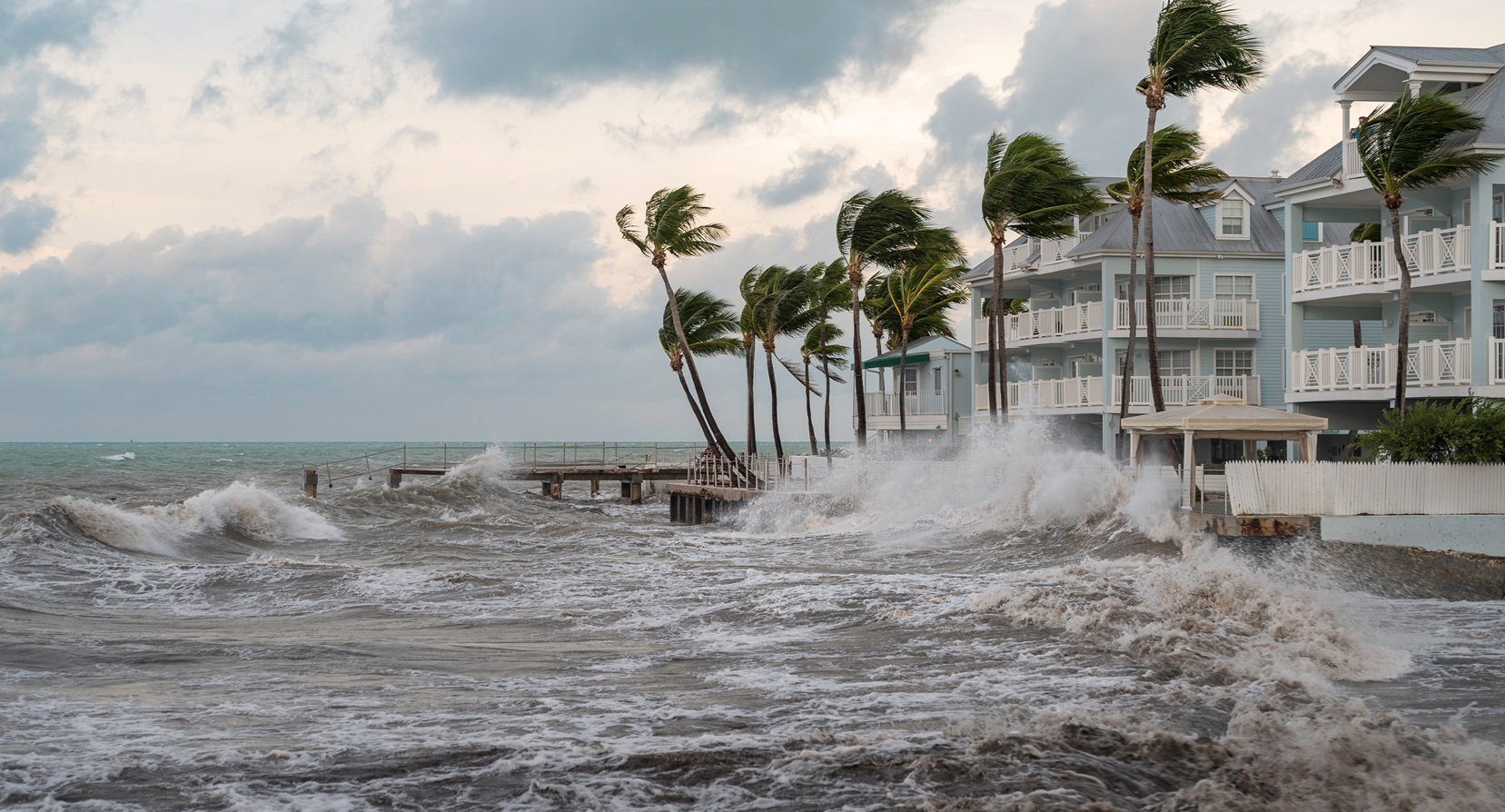
For a remote island resort, hurricane season is not simply a weather risk. It is a programme constraint.
High winds, heavy rain, and storm warnings can interrupt site activity, marine transport, port operations, and cranage. If several parts of the programme depend on those activities happening in sequence, a relatively short interruption can affect work much further downstream.
That matters even more when the resort is working toward a fixed opening date.
The question is therefore not whether weather can be removed from the programme. It is how much of the programme needs to remain exposed to it.
Work Backward From the Opening Window
A resort opening date should shape the entire delivery sequence.
If guestrooms need to be installed before hurricane exposure increases, the project team must work backward from that deadline:
- When must installation be complete?
- When do modules need to arrive on the island?
- When must the vessel depart?
- When does manufacturing need to begin to support those dates?
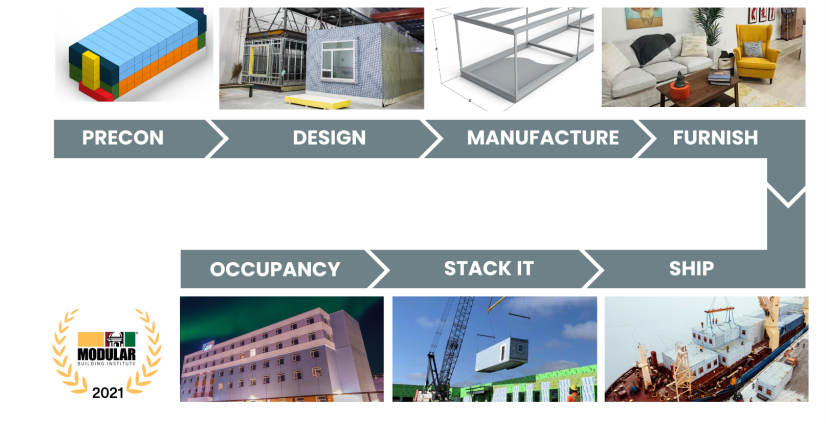 These milestones are intrinsically connected. A delay in manufacturing compresses the shipping window. A late vessel reduces the time available for installation. If the site is not ready when modules arrive, the project may suddenly require additional storage, handling, or staging that was never part of the original plan.
Working backward from the required opening date gives the team a clear view of these dependencies and highlights where realistic contingency needs to be built into the programme before work begins.
Reduce the Work Most Exposed to Island Weather
The more construction that depends on outdoor site activity, the more the programme relies on favourable weather conditions.
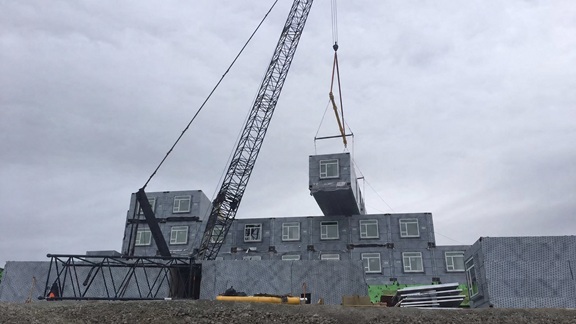
For suitable repetitive guestrooms and suites, volumetric construction can move a significant amount of work into a controlled factory environment while foundations, podiums, and other site activities progress separately.
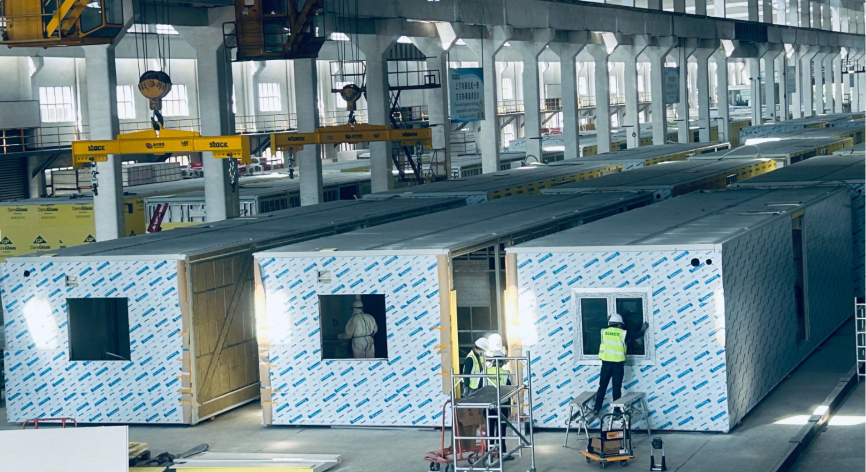
That does not remove weather risk.
Site preparation, shipping, cranage, and final connections still happen on or around the island. What changes is the amount of construction that must be completed there before the building can progress.
For a remote resort, that distinction matters. Fewer weather-sensitive activities can mean fewer opportunities for one disruption to hold up the next trade.
Give Shipping and Installation Their Own Weather Window
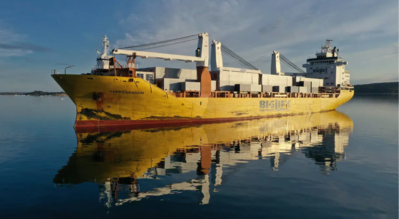
A completed module still has to reach the island and be installed.
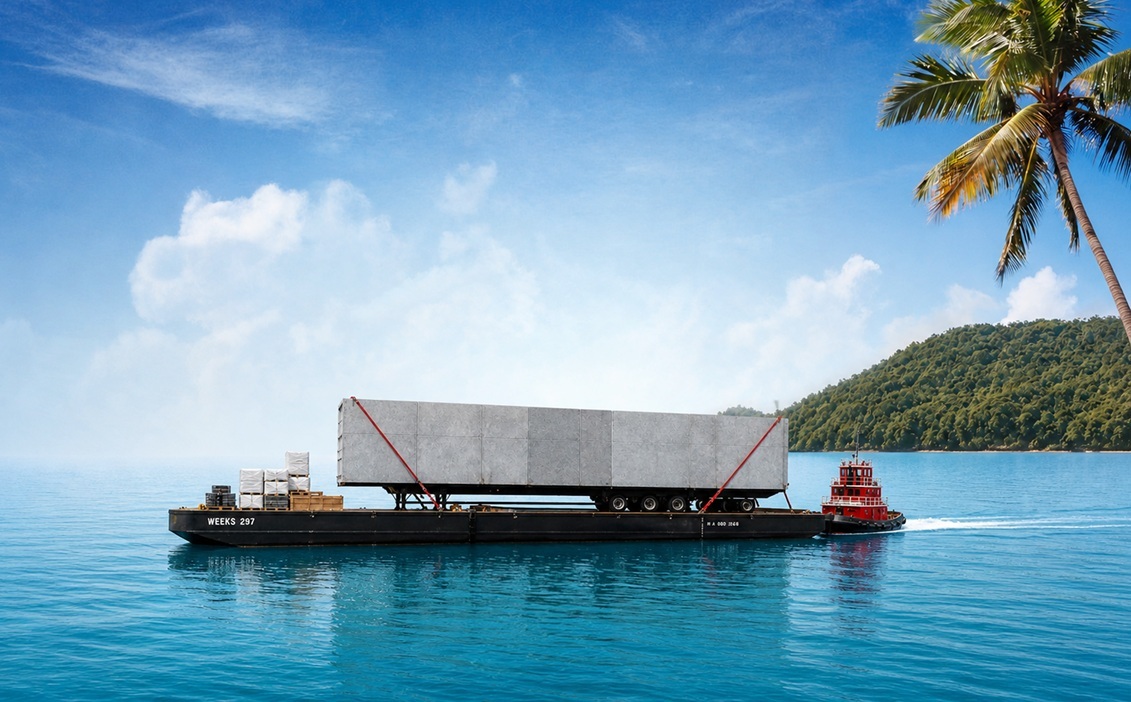
Marine conditions can affect vessel schedules. Port restrictions can limit unloading. High winds can affect crane operations. Limited staging space can make delays harder to absorb once modules begin arriving.
Those constraints need to be considered as part of the construction programme, not added after the manufacturing schedule has been established.
The strongest plan coordinates factory completion, vessel departure, port handling, site readiness and installation around the same delivery window. This is also where early Design-Assist for Remote Island Resorts can help the team test those dependencies before production begins.
For a hurricane-prone island resort, the advantage is not a programme that ignores weather. It is a programme that leaves fewer critical activities dependent on weather going exactly to plan.