
A practical look at how early Design-Assist helps resort teams make the right modular decisions before design, procurement, shipping, and site execution become difficult to change.

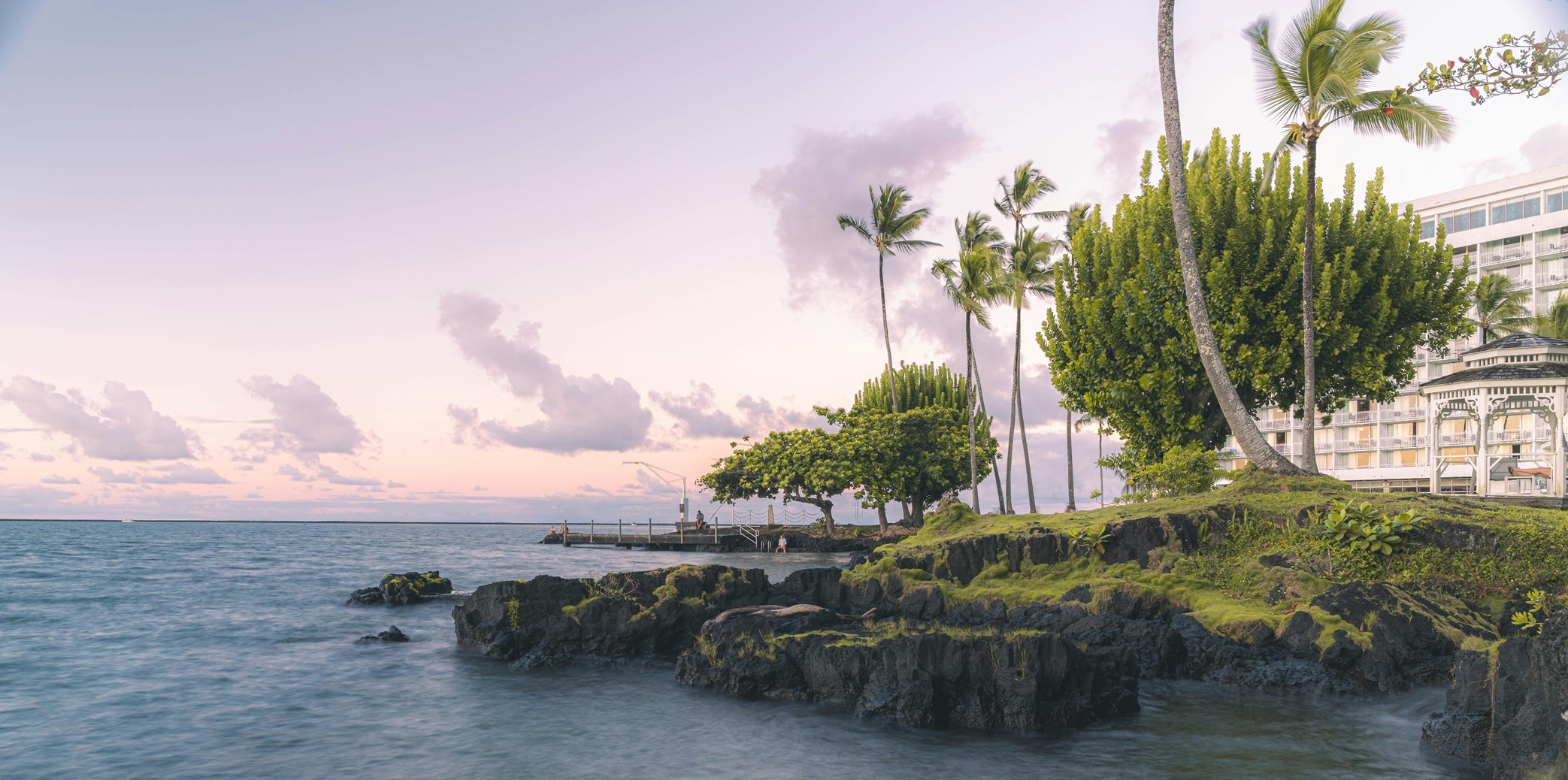
A practical look at how early Design-Assist helps resort teams make the right modular decisions before design, procurement, shipping, and site execution become difficult to change.
Takeaways
- Design-Assist should begin while the resort layout, structural interfaces and delivery sequence can still change.
- The goal is to move suitable work off the island, not to maximize the raw volume of modular construction.
- Early coordination gives factory and site teams a clear, executable plan before production, shipping, and installation begin.
A remote island resort leaves little room for late changes.
Once a guestroom design is repeated across a building, even a small change can affect much more than the drawings. It carries into module production, shipping, port handling, cranage, site preparation, and local trade scope.
That is why Design-Assist needs to happen early.
Bringing the modular manufacturer into the project while the design is still developing gives the team time to test whether the guestrooms, building interfaces, and delivery plan actually work together.
The purpose is not to redesign the resort around modular construction. It is to determine where volumetric delivery makes sense and resolve key conditions before they become difficult or expensive to change.
The risk of committing to modular too late
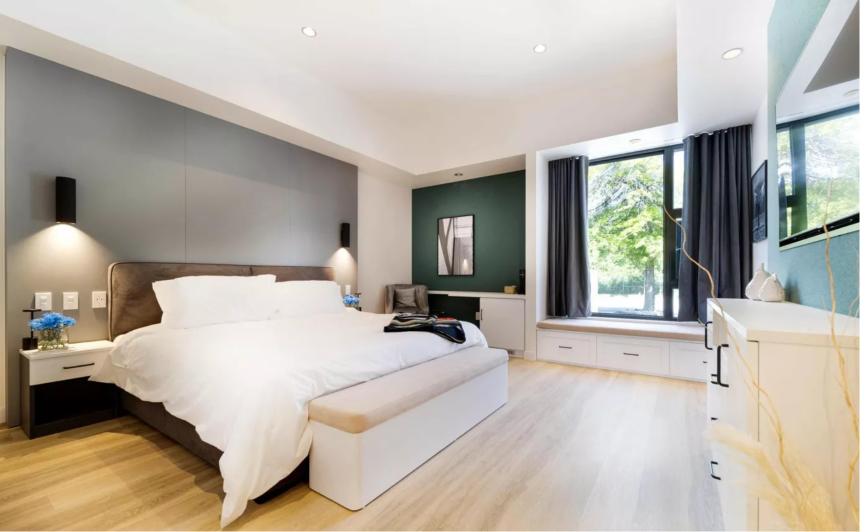
For island hospitality projects, repeated guestrooms and suites often present the clearest opportunity for volumetric construction. But repetition only creates an advantage when the room has been properly resolved first.
Room width, bathroom position, risers, structural framing, corridor relationships, and facade openings can all affect how a guestroom functions as a steel volumetric module. An unresolved detail in one room can become the same production or installation problem across dozens of modules.
Design-Assist gives the architect, engineers, contractor, and modular manufacturer time to coordinate room types, module geometry, and critical interfaces before those decisions are repeated throughout the building.
The core principle: Resolve repeatable conditions early, before they become repeatable problems.
Deciding what arrives finished
The next question is how much work should be completed before the module reaches the island.
Every activity left for site execution can mean more labor, materials, supervision, and coordination on the island—requirements that are much harder to manage on a remote resort than on a typical mainland project. That makes factory completion valuable, but only when it improves the overall delivery plan.
The project team needs to agree on:
- What arrives complete versus what is finished on site
- Where structural and MEP (mechanical, electrical, plumbing) connections are made
- How modules connect with corridors and facades
- What the local contractor needs to have ready before installation begins
The goal is not to move as much work as possible into the factory. It is to move the right work off the island while leaving the site team with a clear, practical, and manageable scope.
Designing around the port, crane and installation window
For an island project, the module must also align with the logistics needed to transport it from the factory to its final position.
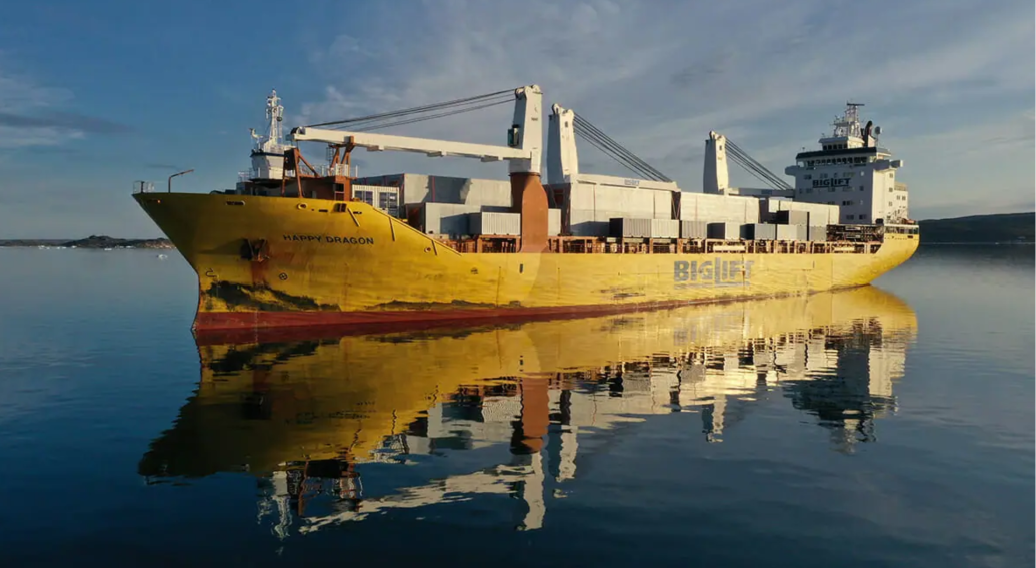
Module dimensions and weight affect vessel loading, port handling, and crane selection. Available staging space affects delivery sequencing. Site access and readiness determine how modules move from the port to installation.
These are not decisions to leave until shipping begins. If the port, crane, or site cannot efficiently handle the proposed module, the impact feeds directly back into the design and production plan.
Design-Assist brings these constraints into the conversation early. Guestroom design, factory completion, marine logistics, and installation can then be planned together while the team still has practical options.
"For a remote island resort, the advantages of Design-Assist are fewer unresolved decisions entering production and fewer problems left to solve on the island".