A practical guide to selecting the right construction method for hurricane-prone island resorts, evaluating structural resilience, schedule certainty, and total landed cost.

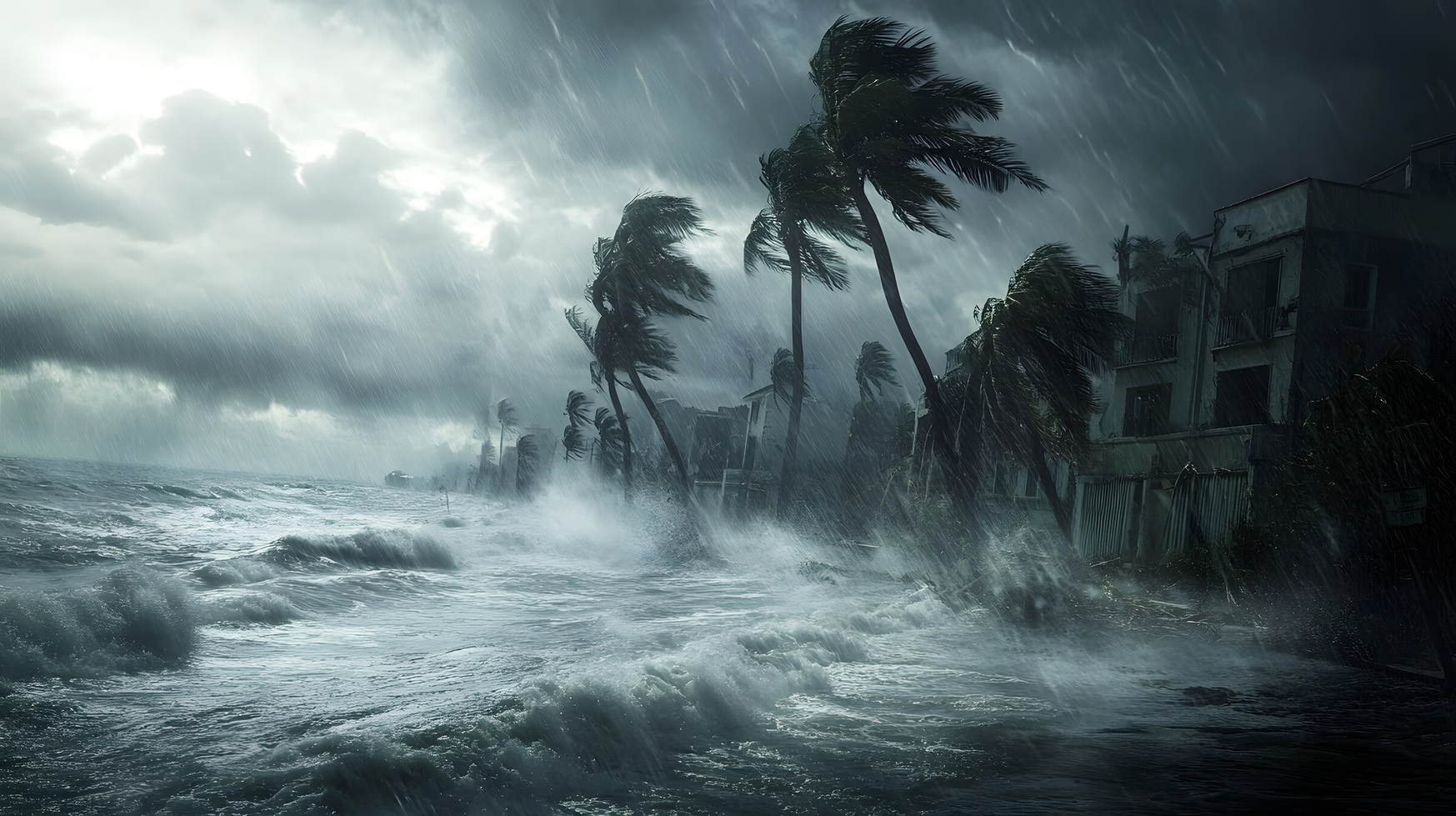
A practical guide to selecting the right construction method for hurricane-prone island resorts, evaluating structural resilience, schedule certainty, and total landed cost.
Takeaways
- Hurricane-prone island resorts need a delivery strategy that considers weather, labour, logistics, and the opening date together.
- A hybrid approach uses conventional construction where open layouts are needed and volumetric steel where repetition creates an efficiency advantage.
- The right comparison is based on total landed cost and delivery risk, not simply the price of the structural system.
Building a resort in a hurricane-prone island market brings challenges that go well beyond the building itself.
Materials may need to travel through multiple ports. Skilled trades can be limited or expensive to bring in. Weather can interrupt site work. And if the project misses its planned opening date, the commercial impact can continue long after construction costs are counted.
That means choosing a construction method is not simply a question of concrete, steel, or modular. It is a question of which delivery approach gives the project the most reliable path from design to opening.
Structural steel volumetric can be part of that answer, particularly where guestrooms and suites provide enough repetition to move more work into a controlled factory environment.
The Reality of Remote Island Scheduling
 Island construction leaves less room for disruption.
Specialist crews may need to be flown in and accommodated. Materials can pass through shipping, customs, and port handling before they even reach the site. A missed sailing, damaged shipment, or congested port can affect several activities further down the programme.
Weather adds another layer. Heavy rain, tropical storms, andhurricane season can reduce productive site time and interrupt work on incomplete buildings.
For a resort developer, that matters because the construction schedule is closely connected to the opening date. When the opening date moves, room revenue starts later while financing, site overhead, and other project costs continue to accumulate.
The construction method therefore needs to be evaluated against the date the resort actually needs to become operational.
The Hybrid Delivery Advantage
Not every part of a resort is suited to volumetric construction.
Lobbies, restaurants, ballrooms, and other large public areas often need open layouts and longer structural spans. Guestrooms and suites, on the other hand, are usually much more repetitive. That is where a hybrid approach makes sense.
Concrete or structural steel can be used for podiums and open public spaces, while suitable guestrooms or suites are delivered as volumetric steel modules.
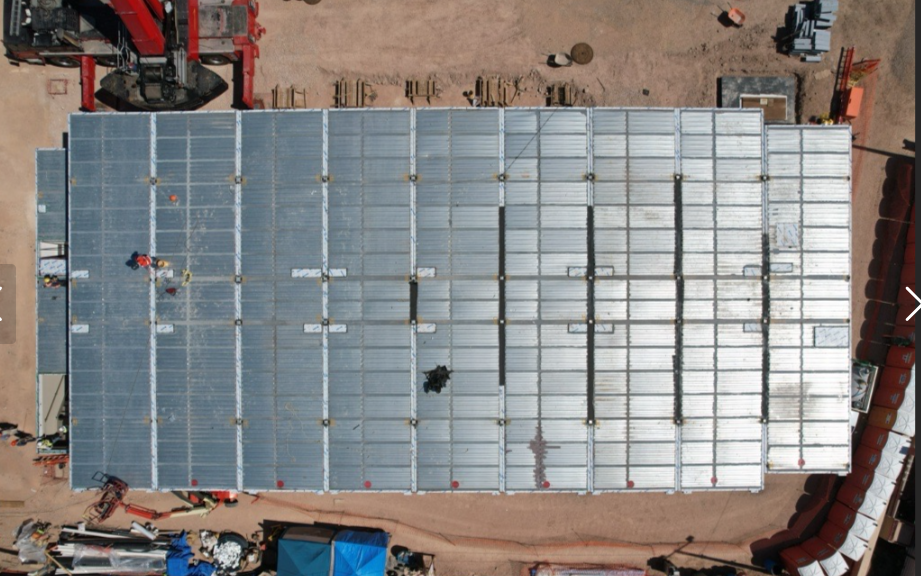
The objective is not to make the entire resort modular. It is to identify where factory production can reduce work on the island without limiting the architecture or creating unnecessary complexity elsewhere in the project.
"In island development, resilience is not only about surviving the storm. It is also about creating a construction plan that can withstand the realities of getting the resort built."
Engineering for Hurricane Winds and Corrosion
In hurricane-prone markets, structural resilience has to be considered from the beginning.
The module frames, connections, bracing, diaphragms, and supporting structure need to work together as one structural system. Gravity, lateral, and uplift forces cannot be considered separately from the way the modules connect to the rest of the building.
Coastal exposure also affects material decisions:
- Salt Spray & Humidity: Accelerate corrosion if not addressed early.
- Protection Systems: Depending on the project, durability strategies should include protective coatings, galvanized components, intelligent drainage detailing, and proper separation between dissimilar metals.
These requirements should be incorporated into the design and specification before production begins, rather than treated as site fixes later.
Calculating Total Landed Cost
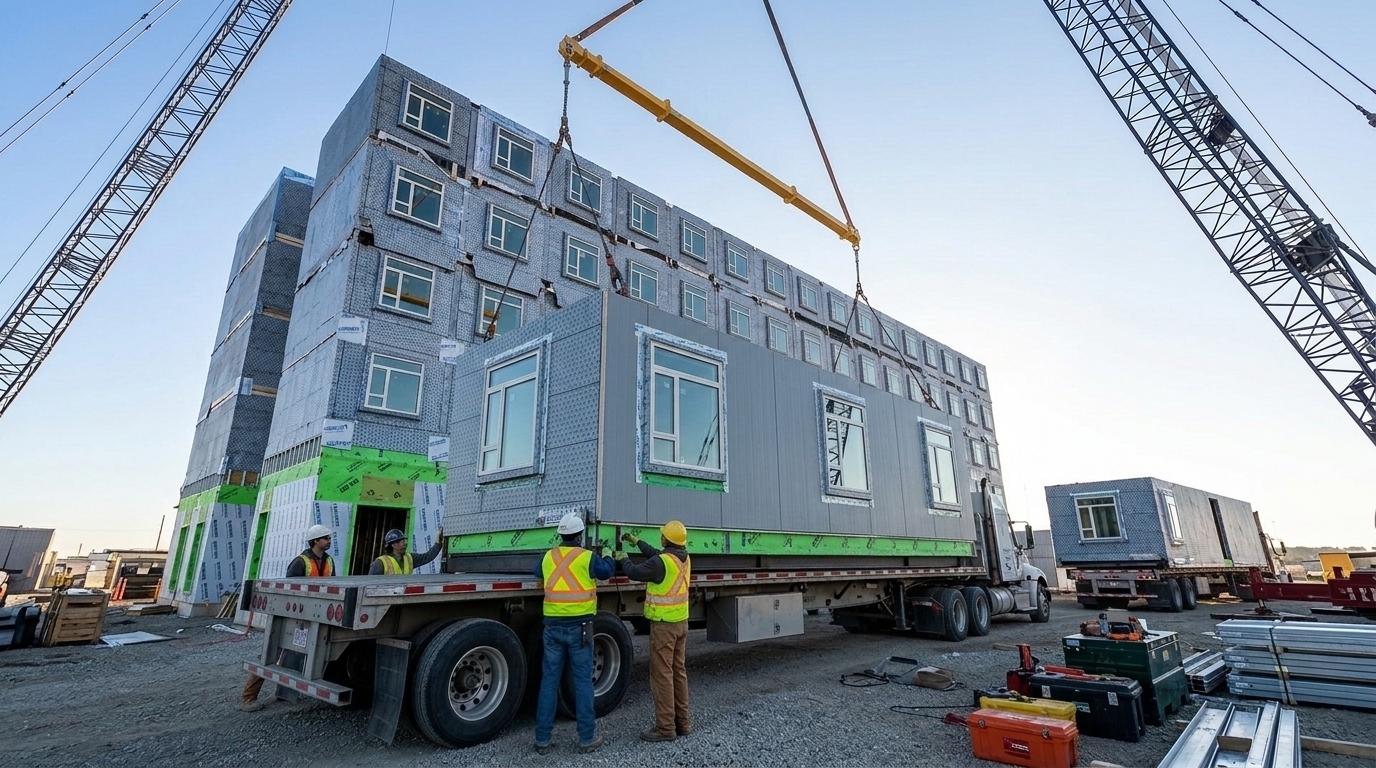
Factory price alone does not tell you which construction method will deliver the better project outcome. For an island resort, the comparison also needs to consider:
- Site labour and worker accommodation
- Marine shipping, customs, and port handling
- Temporary works and local material movements
- Waste removal and site cleanup
- Financing exposure and the financial impact of a delayed opening
This is where the economics of off-site construction look different from a simple cost-per-room comparison. Moving suitable work into a factory reduces the number of trades, materials, and construction activities that need to be coordinated on the island.
The right question is not "Is modular cheaper?"
It is: Which delivery approach gives this particular project the best total outcome once construction, logistics, schedule, and risk are considered together?
The Strategic Delivery Choice
For hurricane-prone island resorts, the strongest delivery strategy is usually determined by the project's constraints:
- When Conventional Works: If local labour is readily available, logistics are straightforward, and the construction programme has enough flexibility, conventional construction may perform well.
- When Modular Adds Value: If the project faces limited skilled labour, difficult marine logistics, significant weather exposure, or a fixed opening date, moving suitable repeatable work into a factory creates greater overall value.
The decision should be tested early - while room layouts, structural strategy, factory scope, shipping plans, and site interfaces can still be optimized.